

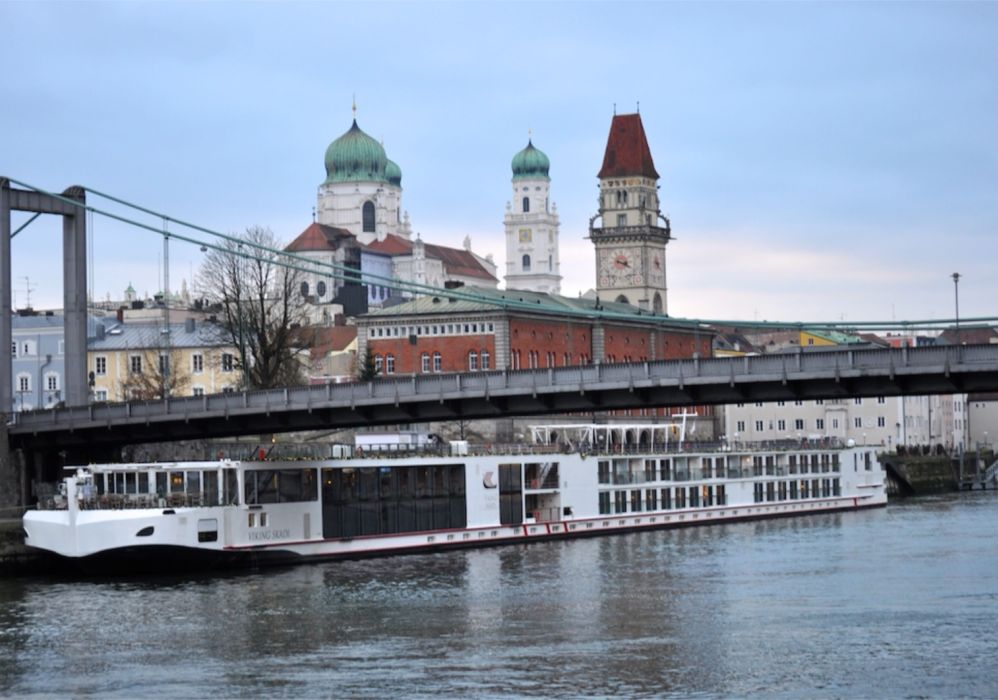
European river cruising, explained
European river cruising, explained
A European river cruise is a holiday spent aboard a long, low ship that sails Europe's inland waterways, rivers like the Rhine, Danube, Seine, Douro, Rhône and Main, docking in a different town most mornings while you unpack only once. The ships are small, the pace is unhurried, and most of what you'll want to see each day sits a short walk from where you tie up.
This is the one place to get the full picture before you start comparing European river cruises: what river cruising actually is, how it differs from an ocean cruise, which river fits which kind of traveller, what a day on board feels like, what's genuinely included, and how to choose without being sold to. It's written from first-hand experience, not brochures. Zara, Sarah and Stephen from the team have between them sailed the Rhine, the Danube and the full Rhine-Main-Danube corridor, on different ships and at different price points, and that lived experience runs through every section below.
What is a European river cruise, and how is it different from ocean cruising?
Size and closeness are what separate European river cruises from ocean ones. A river ship carries around 130 to 190 guests, not several thousand, and sails narrow inland rivers rather than open sea. You wake up moored in the middle of a town, not at a container port a shuttle-ride away, and you swap big-ship resort facilities for scenery sliding past your window and a new place to walk into most days.
The part regulars talk about most is unpacking once. Zara came to river cruising recently as a lifelong independent traveller and didn't expect to be won over. When she sailed the Rhine from Basel to Amsterdam on Avalon in early 2026, the thing that changed her mind was the ease of it. In her words: "Having someone plan it for you was something I actually hadn't experienced. To get that kind of thing handed to me made me go, okay, I understand why I'd want to do that again." Your room, your bed and your bags stay put while the countryside and the towns change around you. If the Rhine is where you're leaning, you can read Zara's full Basel-to-Amsterdam diary for a day-by-day account of that trip.
European river cruises and ocean cruises suit genuinely different holidays. An ocean ship is a floating resort with the pools, shows and choice that come with thousands of guests; a river ship trades all of that for intimacy, scenery and towns you can step straight into. Neither is better in the abstract, they just suit different people and different trips. If you're weighing up river vs ocean, we've written a companion guide to ocean cruising to help you compare the two side by side.
The main European rivers at a glance
The river you pick shapes everything else, and Europe has six main cruising rivers to choose between. The Rhine is castles, vineyards and storybook villages. The Danube runs through four capital cities. The Main links the two through Germany's medieval towns. The Seine is Paris and Normandy, the Douro is Portugal's terraced wine country, and the Rhône is the food and light of southern France. Each has its own character, and each suits a different traveller.
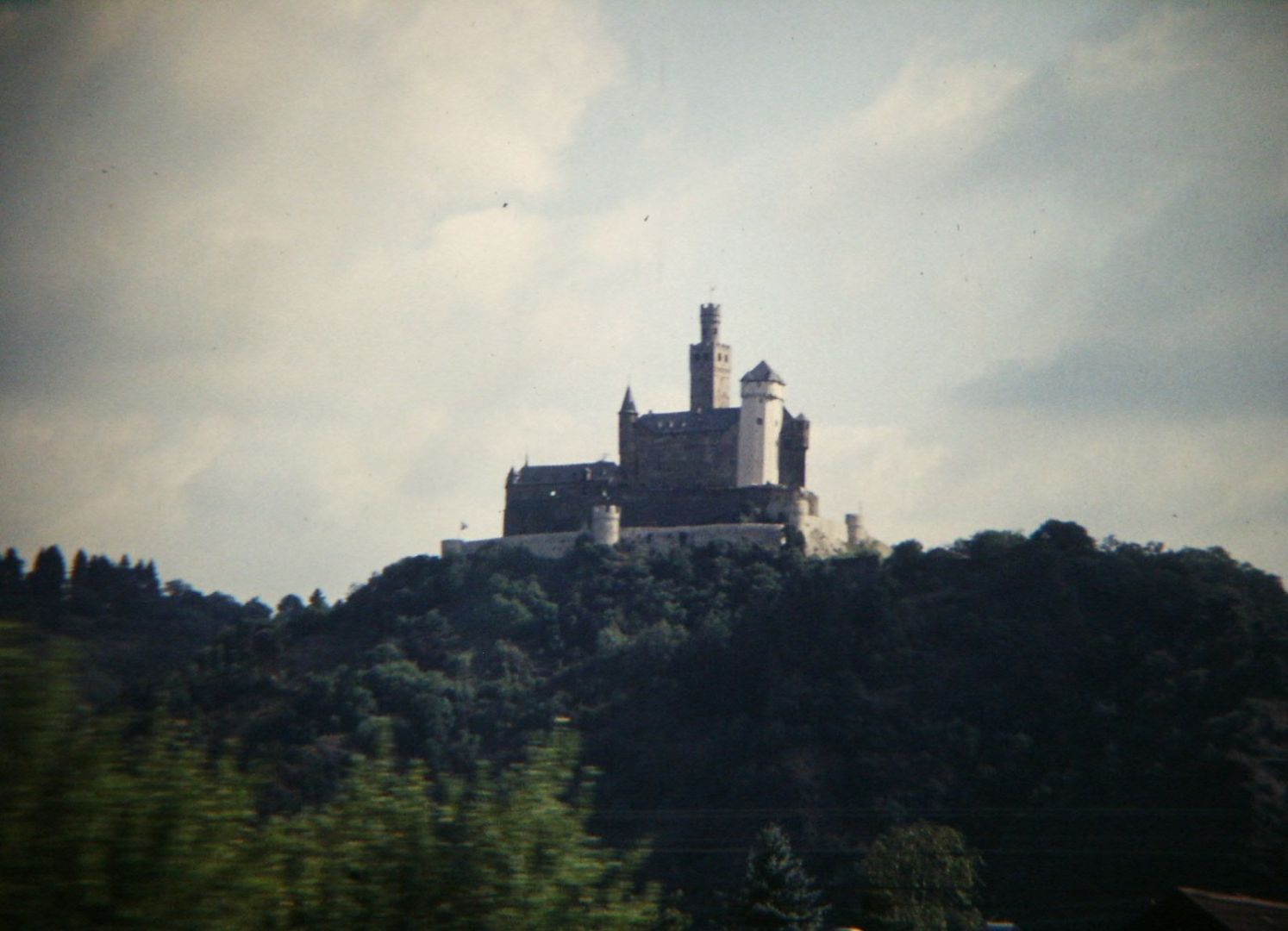
The Rhine is the classic first-timer's river, and the one we know best. Between Basel and Amsterdam it packs in castle-topped gorges, riverside vineyards and easy, walkable towns, with the dramatic Middle Rhine stretch the part most people plan their day around. Zara sailed it end to end on Avalon; Sarah has cruised it too, on Viking River. If it's your front-runner, the diary linked above walks the whole route.
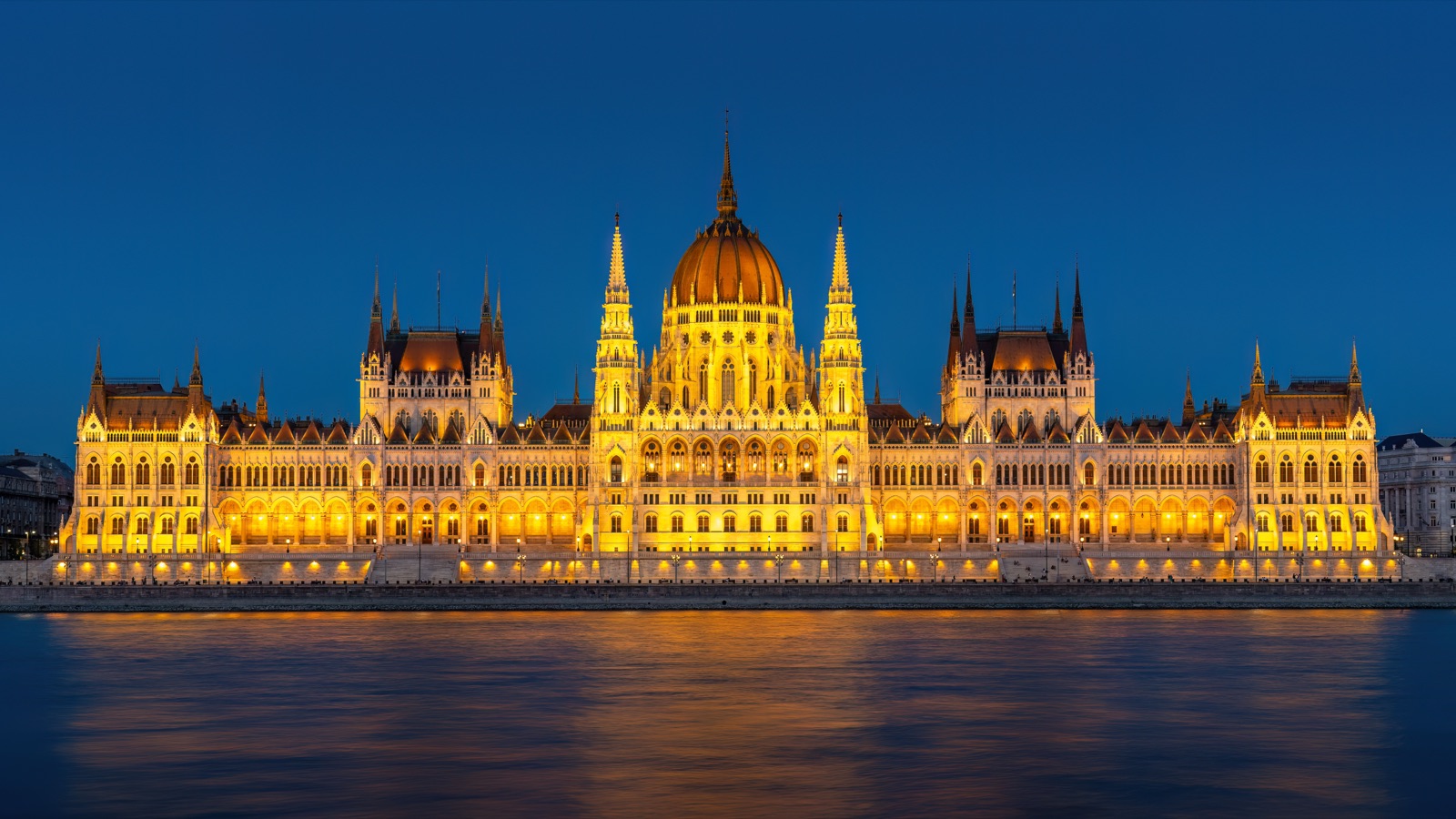
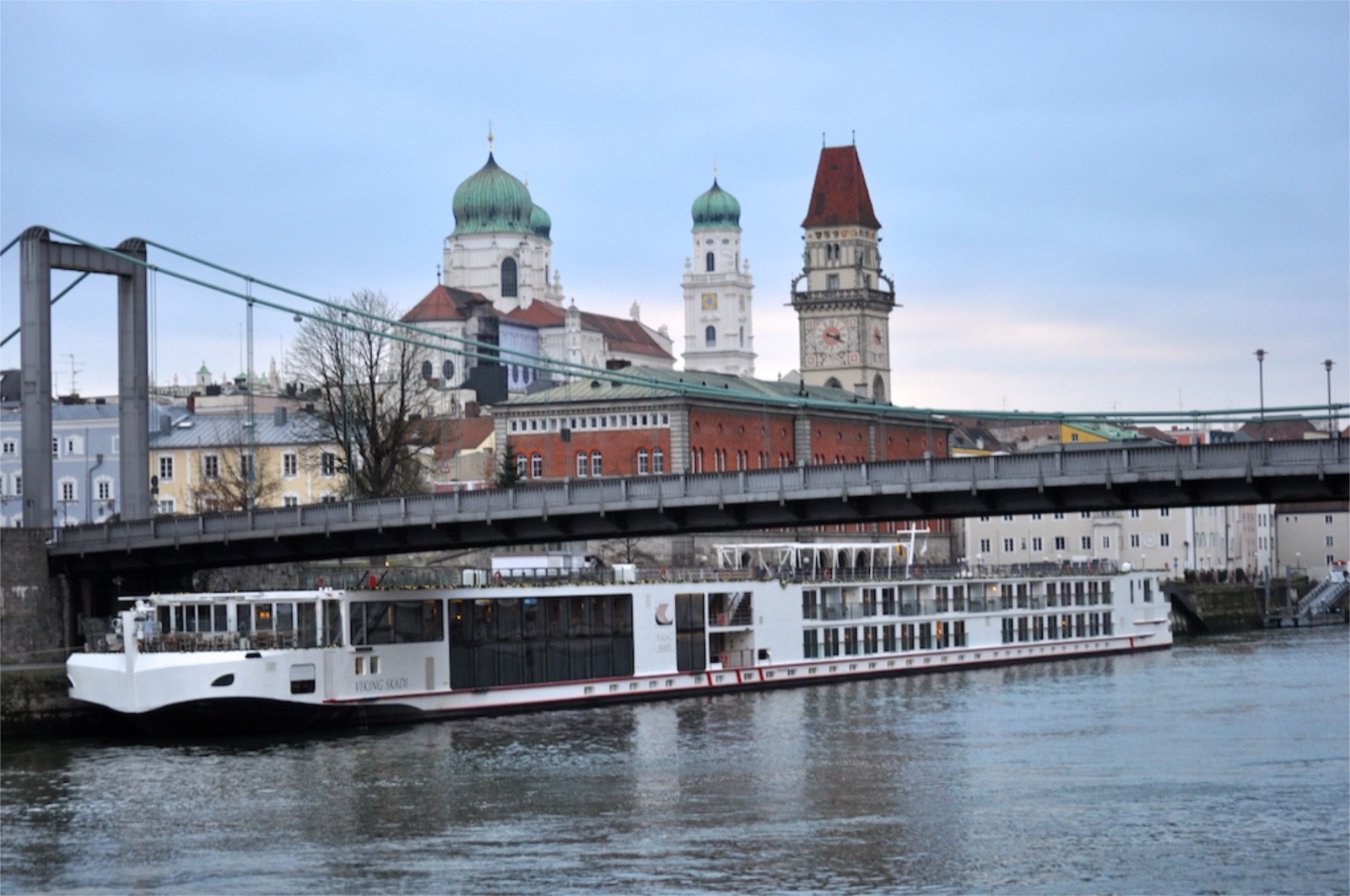
The Danube flows through more capital cities than any other cruising river, Vienna, Bratislava, Budapest and beyond, which makes it the pick if you want big-hitter cities alongside the scenery. It's especially popular in late November and December, when the riverside Christmas markets are in full swing. Sarah sailed the Danube round-trip from Passau on Arosa River in late 2024, timed for exactly those markets.
The Main is the quiet connector that turns two rivers into one trip. Through the Main-Danube Canal it links the Rhine to the Danube, threading Germany's half-timbered towns like Würzburg, Bamberg and Nuremberg. Stephen Jennings knows the Main from sailing the full Amsterdam-to-Budapest corridor on APT's Magnificent Europe, the itinerary that stitches the Rhine, the Main and the Danube together, so if you want the longest, most varied European sailing, this is the one to ask him about.
The Seine is the Paris river. Sailings loop out through Normandy to Rouen, Monet's garden at Giverny and the D-Day beaches, with the city itself bookending the trip. It suits travellers who want France's history and art with Paris built in.
The Douro, from Porto through Portugal's Douro Valley, is the slow, scenic one. Terraced port-wine vineyards, fewer locks, and a gentler rhythm make it a favourite for people who want wine country and calm over a packed itinerary.
The Rhône runs through southern France, roughly Lyon down to Arles and Avignon, and it's the food-and-wine river. Provence, Roman ruins and the light that drew the painters make it the pick for a warm-weather trip built around eating and drinking well.
What a day on board looks like, and what the tours cost
Days on European river cruises follow an easy rhythm. You wake up already docked in a new town, walk out on a morning tour with a local guide, come back for lunch, then have the afternoon free before dinner on board while the ship sails overnight to the next stop. Because you've docked in the centre of town you're into the sights within minutes, and on many ships dining has no fixed seating, so you eat when and with whom you like.
What that day costs varies more than most first-timers expect, and it's the single most important thing to get right. At one end, everything is included: tours, meals, and drinks throughout the day. At the other, the fare is lower but tours and drinks are extras you add on. In the middle sits a hybrid model, with drinks at meals and one guided tour a day included, and the rest optional.
As Stephen puts it, one model isn't better than another, the job is to match the product to the person. A couple who like a wine with dinner and a guided tour each morning will value a fully inclusive fare. Independent travellers who'd rather wander on their own and skip the group tours can save money on a lower fare and pay only for what they use.
The tours themselves are often sorted by type. On Zara's Avalon sailing, each day's excursions came in three flavours. Classic tours are the gentle, sightseeing-paced options. Active tours get you moving, typically cycling or a hands-on local visit rather than a coach and a viewpoint. One Active day from Zara's own sailing is written up in full in the Rhine diary linked above. Discovery tours go deeper into a local craft, food or theme.
One thing catches people out. On many lines you choose your included tours weeks before you sail, not on board, and the more active or specialist ones sell out first. Because some moorings sit outside the town centre, an unprepared guest who's missed the booking window can end up stuck on the ship for the day. A few add-ons, like the Keukenhof tulip gardens in spring, are paid extras announced on board. None of it is hard to manage, but it does reward booking early and knowing which tours matter to you before you go.
Ship and cabin basics: what actually varies
River ships can look similar from the outside, but European river cruises range from three-star to five-star, and the difference shows up in the cabin, the food and the service far more than in the itinerary. The best guide to what actually changes as you move up the tiers is someone who's sailed both ends, which is exactly what Sarah Peck has done.
In late 2024 Sarah sailed the Rhine from Amsterdam to Basel with Viking River, and the Danube round-trip from Passau on Arosa River for the Christmas markets. Across her river cruising she's sailed at both the three-star and the five-star end of the market.
This is where Stephen's framing earns its keep. As he says: "Sarah's done a three-star cruise and she's done a five-star cruise, so we can tell our people what the differences actually are, and what they aren't. What the brochures advertise versus what you actually get, and why. We don't need the marble vanities and champagne and all the bells and whistles. We want this, but we know that if we go to that, this is what we're getting, and this is what extras we'd have to pay for or what's not included." Sometimes the itinerary on a three-star sailing and a five-star one is nearly identical, and the money buys a bigger cabin, better food and more inclusions rather than a different route. Knowing that in advance is the difference between paying for what you'll use and paying for a photo in a brochure.
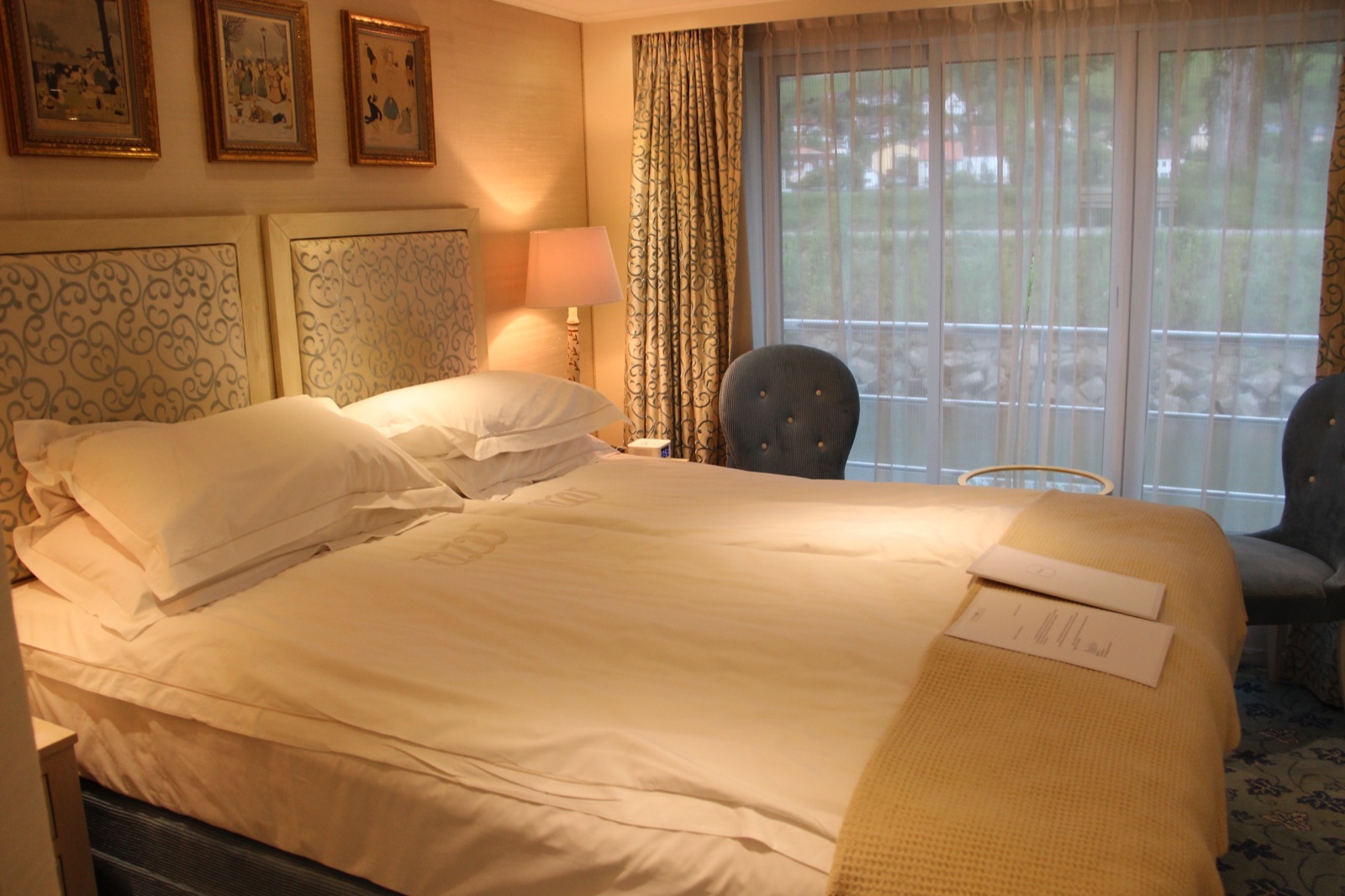
Cabins vary by line and by deck. Some lines fit windows that open the cabin up like a balcony; storage and bathroom comfort vary more than the brochures suggest. Those are per-line specifics rather than a universal standard, so the useful move is knowing the questions to ask: which deck, which cabin grade, whether the window actually opens, and how close you are to the main lounge if you'd rather not do stairs. Zara's diary covers what one line's top suite was actually like.
Who river cruising suits, and who it doesn't
European river cruises suit travellers who want to see a lot without changing hotels, who enjoy scenery, history and food over nightlife and waterslides, and who are comfortable on their feet for a couple of hours of walking a day. It's less of a fit if you want big-ship entertainment, a club for the grandkids, or total freedom to change your plans on a whim.
At its best, it's for people who like the idea of unpacking once and letting the trip come to them: couples and friends marking a milestone, travellers who want structure with room to breathe, anyone who'd rather spend their energy on the places than on logistics. As Stephen often says, if you're time poor you need to be cash rich; paying a little more for a trip that's planned properly buys back the friction of doing it all yourself.
It's honest to say who it doesn't suit, too. If what you're really after is a floating resort with pools, shows, a casino and clubs for the kids, a river ship will feel small, and that's an ocean cruise's job instead. If you like to wander with no fixed plan for weeks on end, the daily docking schedule may feel structured. And because shore days involve real walking, often on cobbles, mobility matters, though we can pre-arrange airport and mobility assistance and match tours to what you're comfortable with. Our whole job here is to make sure we don't put the wrong person on the wrong ship, because a mismatched cruise can put someone off cruising for good.
How to choose: river, line, route and time of year
Four decisions settle which of the European river cruises is yours, in order: which river, for the scenery and culture you want; which line and star rating, for the comfort and inclusions that matter to you; which route and direction; and what time of year. Get the river and the tier right first, and the rest tends to fall into place.
Start with the river. Pick it for what you actually want to see, using the rivers section above. The Rhine and Danube are the usual first European river cruises because they pack the most variety into a week; the Seine, Douro and Rhône are for travellers with a specific pull toward Paris, Portuguese wine, or Provence.
Then the line and tier. This is where Sarah's three-star-versus-five-star experience matters. Decide what you genuinely care about, cabin size, food, how much is included, before you compare prices, so you're paying for the things you'll use rather than the ones that photograph well.
Then the route and direction. The same river can be sailed in either direction and started from different cities, which affects your flights from New Zealand and how the trip flows. It's a small detail that's easy to get wrong on your own and easy to get right with help.
Then the time of year. Late spring (May and June) and early autumn (September and October) are the sweet spot: comfortable temperatures, vineyards and gardens at their best, and fewer crowds. High summer is warm and busier, and in dry years low water can affect some sailings (the Rhine diary linked above goes into water levels in detail). Late November and December bring the Christmas-market cruises, a completely different and very popular winter trip, which is the one Sarah sailed on the Danube.
One thing worth being upfront about: booking through us costs you no more than going to the cruise line direct. The line pays our commission, so it's the same ticket with our expertise included. Like a mortgage broker, we look across the lines and match you to the right ship, not the one with the biggest advertising budget.
A river cruise is rarely the whole holiday. Most of our clients booking European river cruises add a few days in a city at each end, a rail leg, or a land tour, and we'll build the whole trip around it. Why buy something off the shelf that's built for the mass market when the trip can be designed around you? River cruising is one of several travel styles we specialise in, all gathered on our full cruise hub.
Frequently asked questions
What is a European river cruise, and how is it different from an ocean cruise?
A European river cruise is a holiday on a small ship, around 130 to 190 guests, that sails Europe's inland rivers and docks in a new town most days while you unpack once. Compared with an ocean cruise, it's smaller, gentler and closer to the places you visit, with scenery instead of open sea and towns a short walk from the ship rather than a big port. Ocean ships win on size, facilities and entertainment; river ships win on intimacy and access.
Which European river should I choose, Rhine, Danube, Seine, Douro, or Rhône?
Choose the river by the scenery and culture you want. The Rhine is castles and vineyards, the Danube links four capital cities, the Seine is Paris and Normandy, the Douro is Portugal's terraced wine country, and the Rhône is the food and light of southern France. First-timers often start with the Rhine or Danube because they pack the most variety into a single week.
What's actually included on a river cruise, and what costs extra?
It depends on the line's inclusion model. Fully inclusive fares cover tours, meals and drinks; lower fares include less and charge for tours and drinks as extras; hybrid fares sit in between, with drinks at meals and one included tour a day. Flights, some specialist excursions and gratuities are commonly extra, so it's worth checking exactly what a headline price does and doesn't include before you compare two cruises.
How far in advance do I need to book my shore excursions?
On many lines you select your included tours weeks before you sail, not on board. Leave it too late and the active or specialist tours sell out first, and because some moorings sit outside the town centre, missing the window can mean little to do off the ship that day. A few add-ons are announced and paid for on board, but the popular ones are worth locking in early.
Is a five-star river cruise really that different from a three-star one?
Yes, but not always where you'd expect. The itinerary is often similar; the difference shows up in cabin size and finish, food, service and how much is included. Our senior consultant Sarah Peck has sailed both a three-star and a five-star river cruise, and Stephen's honest read of the difference is that the step up is real, but some of what you pay for at the top end, the marble-and-champagne extras, you may never use. The trick is matching the tier to what you actually care about.
What time of year is best for a European river cruise?
Late spring (May and June) and early autumn (September and October) are the sweet spot: comfortable temperatures, gardens and vineyards at their best, and fewer crowds. High summer is warm and busier, and in dry years low water can affect some sailings. Late November and December bring the Christmas-market cruises, a completely different and very popular winter trip.
Who is river cruising not a good fit for?
River cruising isn't the best fit if you want big-ship resort facilities like pools, shows and casinos, a party atmosphere, or the freedom to change your plans day to day. It also involves a couple of hours of walking on most days, often on cobbles, though we can pre-arrange airport and mobility assistance and match tours to your comfort level. If you're not sure it's for you, that's exactly the conversation to have before you book.
Do I need to book through a travel agent, or can I book direct?
You can book direct, but booking through us costs you no more: the cruise line pays our commission, so it's the same price with expert guidance included. We can compare ships and tiers across the lines and match you to the right one, and if you've already booked direct, you can usually hand the booking to us to manage at no extra cost. Come talk to us about your river cruise and we'll help you get the river, the ship and the timing right.
By the YOU Travel Napier team, drawing on the first-hand river-cruise experience of Zara Geddes (Consultant, Diploma in Travel & Tourism), Sarah Peck (Senior Consultant) and Stephen Jennings (Owner). Last updated July 2026.
Image credits: river ship at Rudesheim and river cabin by Gary Bembridge (CC BY 2.0); river ship at Passau by ChrisCruises (CC BY 2.0). Via Wikimedia Commons.