

Ocean cruising, explained: sea days, ship life and choosing the right cruise
Ocean cruising, explained: sea days, ship life and choosing the right cruise
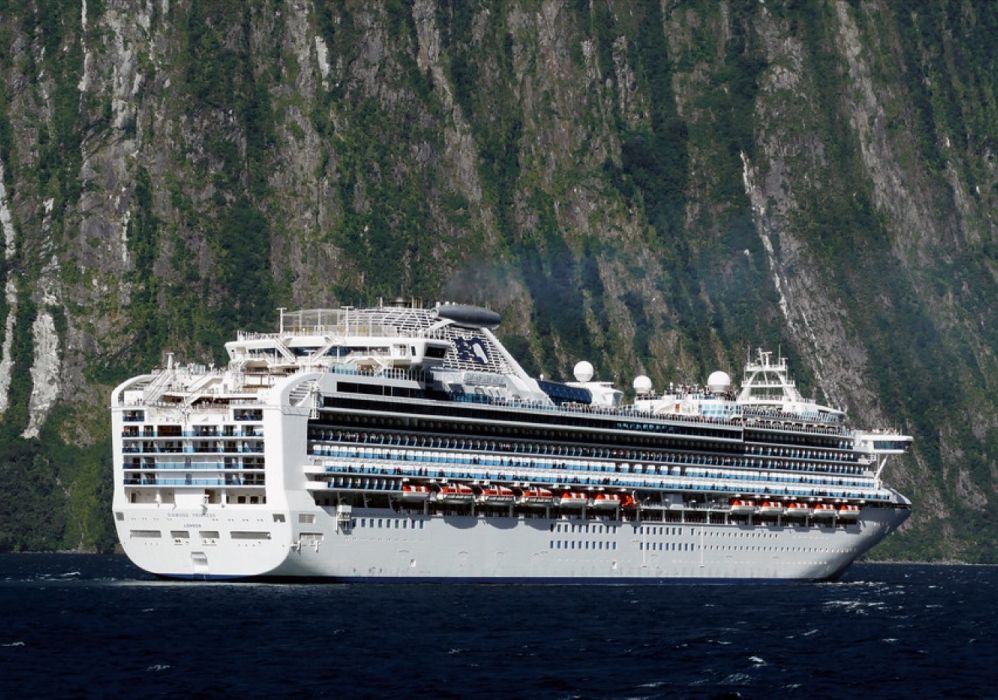
Ocean cruising means travelling on a small, mid or large ship across open sea, sailing from port to port on a set route while the ship itself doubles as your hotel, your restaurant and your resort. You unpack once, and the destinations come to you. This is a plain walk-through of how ocean cruising actually works, and how to match the right ship to the right person, so your first cruise is one you'd happily book again.
At YOU Travel & Cruise Napier, this is everyday territory. Our team have cruised widely between them and most recently: Stephen, our owner of 30-plus years, did a mid-size ship sailing around Japan and Korea plus a small boutique ship island hopping the Dalmatian Coast; Sarah, our senior consultant, on a recent Mediterranean voyage; Tyler on a Tasman crossing; and Zara on a short cruise out of Auckland. Matching the right cruise to the right person is everyday work here.
What ocean cruising actually is
Ocean cruising is cruising on the open sea aboard a ship, ranging from small, mid or large-sized vessels carrying a few hundred to floating resorts carrying several thousand. It's the biggest of the three cruise styles, built for scale: more room, more choice on board, and longer stretches of open water between stops.
The other two work differently. River cruising uses a long, slim ship on inland waterways like the Rhine or the Danube, holding around 130 to 190 guests. Expedition cruising takes smaller, tougher ships to remote places like Antarctica or the Arctic. As Stephen puts it, wherever there's water, there's a cruise. Each style suits a different traveller, and this guide stays with the ocean kind. We cover the river side separately, and there's a link further down if that sounds more your pace.
Sea days: the concept every first-time cruiser needs to understand
A sea day is a full day when the ship stays out on the water instead of docking at a port. It's the single thing first-time cruisers most often wish they'd booked more of. Port days fill up fast, and sea days are when you actually get to use the ship you paid for.
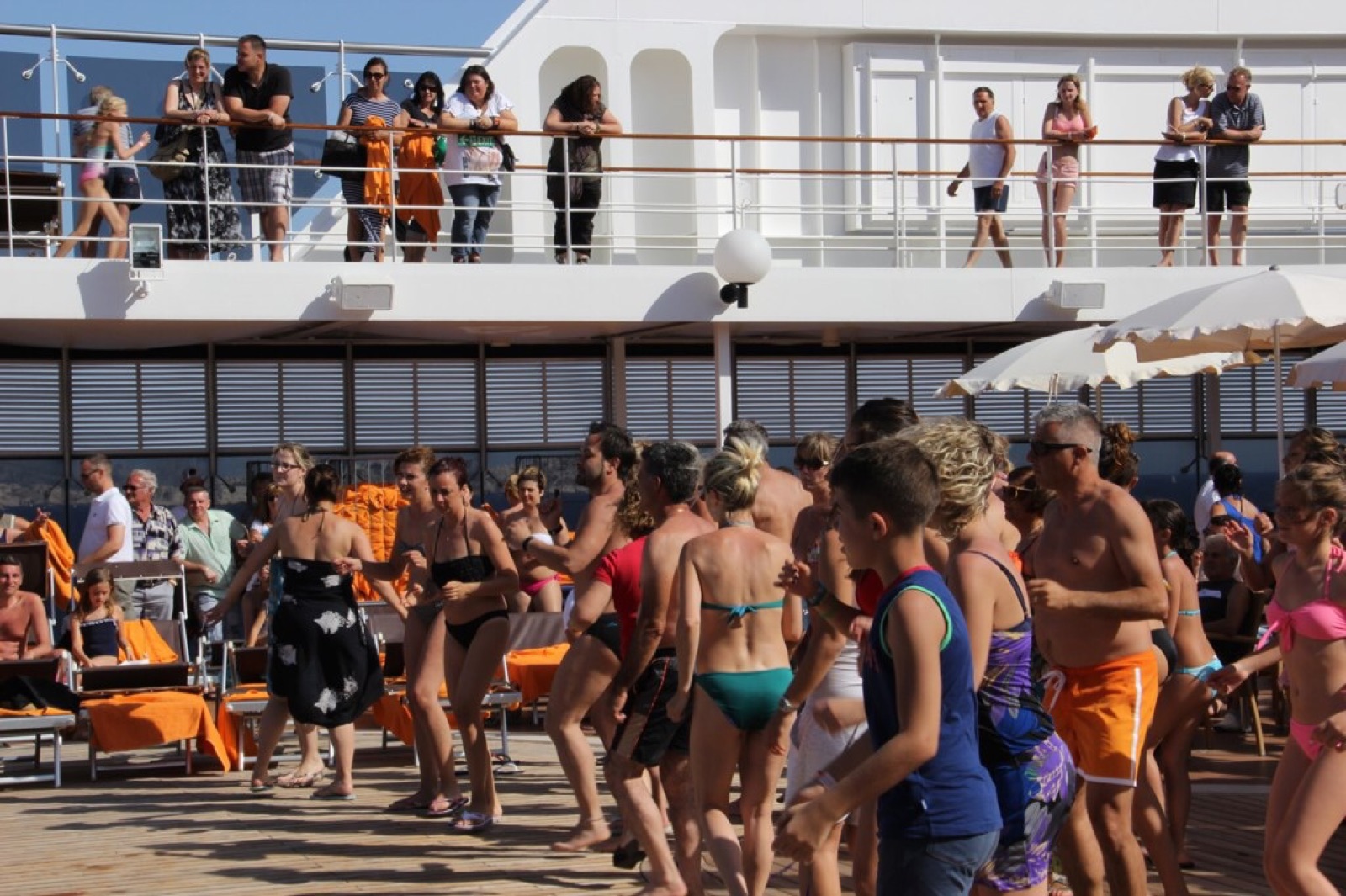
Stephen sees the same pattern again and again. On a typical port day you're up early, breakfast done, and off the ship by eight or nine in the morning. You spend the day ashore doing your activities, and you're usually back on board by four or five in the afternoon. Then it's freshen up, pre-dinner drinks, dinner, maybe a show, and bed. Do that day after day and, in Stephen's words, you don't necessarily have a lot of opportunity to enjoy what the ship has to offer.
That's why sea days matter. First-timers often assume they don't want them and would rather pack in more ports. The first piece of feedback we get once they're home is almost always the same: next time we book a cruise, we'll make sure we've got some sea days so we can enjoy the ship. One or two sea days across a sailing give you time to swim, sit in the spa, catch the entertainment, or do nothing at all, without watching the clock for the next gangway call.
What's actually on board: floating resorts, and what varies by ship
Big ocean ships are floating resorts, and the size of the ship decides how much is on it. The largest carry pools, spas, casinos, theatres and a spread of restaurants, and the newest push further into go-kart tracks, ice-skating rinks, golf simulators, and even helicopters and submarines on board. Smaller ships carry a lot less. And here's the catch: you only get the benefit of any of it on the days you're actually on the ship.
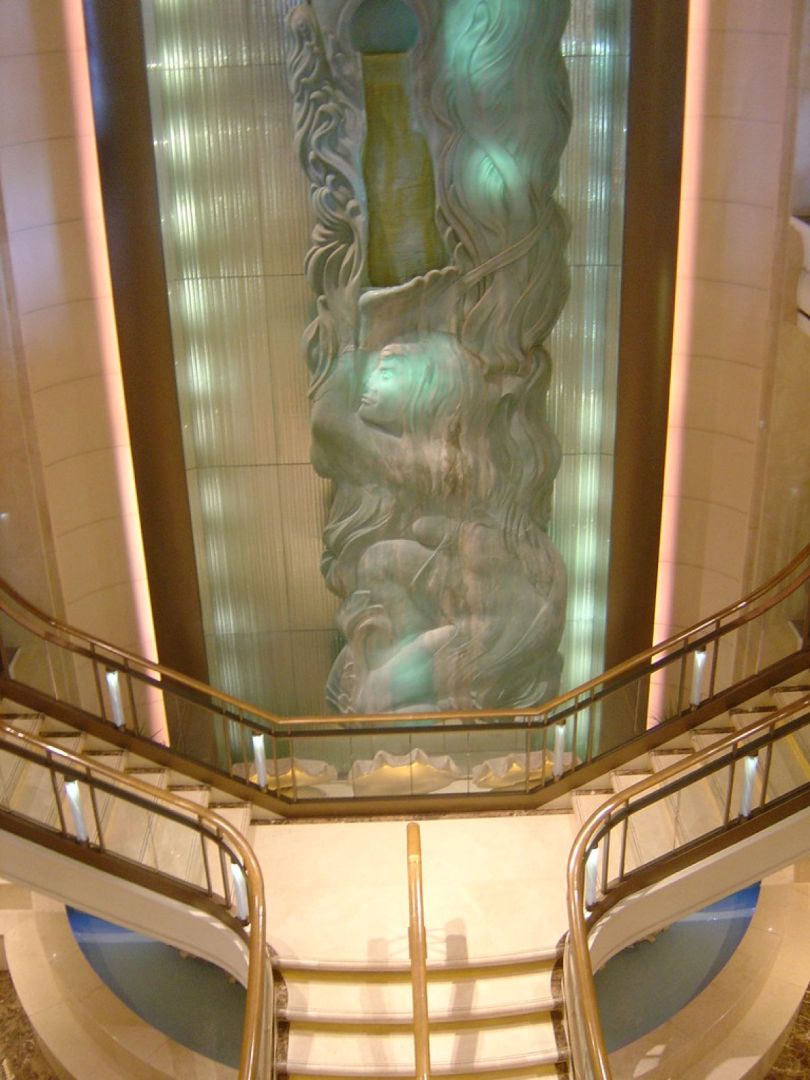
On the bigger vessels the range runs wide. Lie by a pool, book the spa, work through the entertainment options, try your luck in the casino. A lot of ships run cooking demonstrations, and some cruise lines build dedicated demonstration kitchens and restaurants for exactly that. At the top end, the newest megaships treat the ship as the destination in its own right, which is where the go-karts and ice rinks come in.
Smaller ships are a different proposition. You trade the go-karts and the ice rink for something more intimate and often more personal. Stephen's small-ship Blue Lagoon sailing through Fiji's Mamanuca and Yasawa islands is a world away from a several-thousand-berth megaship, and for the right traveller it's exactly the right call. A small ship buys you intimacy; a megaship buys you scale. Pick the one you'll actually use.
This is where sea days and ship choice meet. All those facilities only earn their keep if your itinerary gives you time to use them. Book a port-heavy route on a big resort ship and you can spend the whole trip stepping past the pool on your way to the gangway. Match the ship to the time you'll actually have on board, and it works.
Where ocean cruises go: the main regions, at a glance
Ocean cruises sail almost anywhere there's coastline: the Mediterranean, Alaska, the Caribbean, Asia, and the Pacific, including routes that start or finish right here in New Zealand. The region you pick shapes everything else, from the weather you'll get to the length of the sailing and the ports in between.
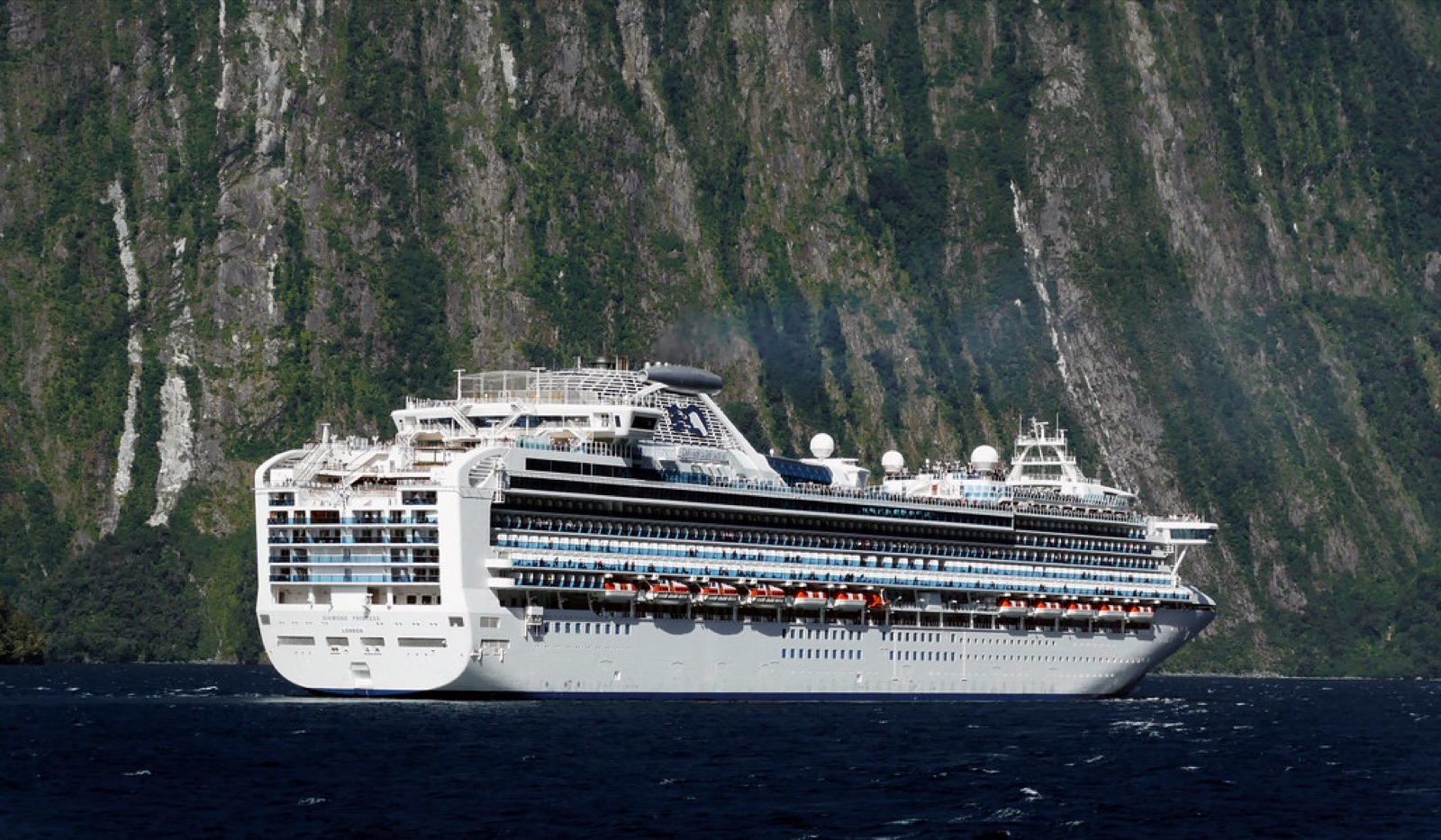
For Hawke's Bay travellers, the routes closest to home are worth knowing about first. Stephen has sailed the Holland America New Zealand coastal route, and a Cunard crossing from Auckland to Sydney, both of which let you cruise without a long-haul flight just to reach the ship. Sarah's sailing out of Auckland through the Pacific Islands leaves from the same doorstep, as do Tyler's Princess crossing from Auckland to Sydney and his Carnival sailing across to Melbourne, and Zara's short Disney cruise out of Auckland. Starting close to home takes the flights, the jet lag and a good chunk of the cost out of the equation, which is why we often point first-timers at them.
Further afield, the choice opens right up. Sarah's most recent sailing was a Viking Ocean cruise in May 2026, Athens to Venice by way of the Croatian coast, the kind of Mediterranean route that packs history-rich ports into a couple of weeks. Stephen's Holland America Mediterranean sailing ran 22 nights from Rome to Istanbul, at the longer end of the scale. Stephen's Holland America sailing through Alaska's Inside Passage, one-way from Vancouver to Seward, trades warm ports for glaciers and wildlife. Asia, the Caribbean and the wider South Pacific each have their own season and their own character. You don't need to see them all at once. Pick the region that suits the trip you want this time, and the rest can wait for the next one.
How to choose the right ocean cruise for you
Choosing well comes down to four things lining up: the right ship and cruise line for who you are, the right itinerary, the right time of year, and the right budget. Get those four to agree and the cruise more or less looks after itself. Get one badly wrong, and no amount of on-board polish fixes it. Stephen's rule, after decades of it, is blunt: don't put the wrong person on the wrong ship.
Ship and line personality. Cruise lines are like any other industry. Different brands stand for different things and deliver a different experience on board. One line is family-friendly and buzzy with a full water park; another is quieter, built around fine dining and lectures. The ship that suits one traveller down to the ground is a fortnight of wrong for another. This is the variable most first-timers skip, and the one that most decides whether they cruise again.
Itinerary. The route sets your days: how many ports, how much time in each, and, crucially, how many sea days are built in. Stephen's warning here is specific. Choose a route with no sea days and you'll come home wishing you'd had time to enjoy the ship; choose one with too many and you can feel becalmed. The right balance depends on why you're going and what kind of ship you're on.
Time of year. Every region has a season. The Mediterranean in high summer is hot and busy; Alaska only sails through its narrow warm window; the South Pacific and New Zealand coastal season runs over our summer. Picking the itinerary first and the timing second is how people end up in the right place at the wrong time of year.
Budget. Budget sets the realistic field, and it's worth judging on what each fare actually includes rather than the headline number, since lines differ in what they bundle in. Two cruises that look far apart on price can land closer once you compare like for like. Working out the real cost of each is exactly the sort of thing worth having someone do for you.
This is where a travel agent earns their place. There's a bewildering range of ships, lines and routes, and every cruise line advertises its own as the best one going. Our job is to know the lines well enough to match you to the one that fits, then handle the booking. On the money side, cruise lines pay us a commission, so the price you'd see booking direct is the same price you pay through us. Same ticket, but with support. The way Stephen frames it, it's like a mortgage broker: one bank shows you one product, we search them all.
Behind every recommendation sits a network. Stephen calls it the pyramid of expertise: he's your point of contact, and behind him are the cruise-line and supplier specialists he can call on. Knowing which one to ask the question is the job.
Ocean cruising or river cruising?
Ocean and river cruising share a name and almost nothing else. Ocean ships are big, sail the open sea, and put the resort at the centre of the trip. River ships are small, holding around 130 to 190 guests, and glide through the middle of towns and cities on inland waterways, docking so close to the old town you can often walk straight off and into it.
Which suits you depends on whether you want the big-ship resort experience or a slower, closer look at one region. If a river cruise sounds more like it, Zara's first-hand Basel-to-Amsterdam route is a good place to start, and our full guide to European river cruising picks up where this one leaves off.
Frequently asked questions
What are "sea days," and why do first-time cruisers often wish they'd booked more?
A sea day is a day the ship spends at sea rather than in port. First-time cruisers often skip them in favour of more ports, then realise too late that port days leave almost no time on board. You're off the ship by eight or nine in the morning and back by late afternoon, so the pools, spa and entertainment go unused. One or two sea days give you time to enjoy the ship you paid for. It's the most common thing our clients say they'd do differently next time.
What does a typical port day actually look like on an ocean cruise?
Most port days follow the same shape. You have breakfast on board, then leave the ship from around eight or nine in the morning to explore or take a shore excursion. You're usually back on board by four or five in the afternoon, in time to freshen up for pre-dinner drinks, dinner and an evening show. It's a full and rewarding day ashore, which is exactly why building in a sea day or two matters for balance.
What's actually on board a big ocean cruise ship, and does every ship have it?
Big ocean ships carry pools, spas, casinos, theatres, multiple restaurants and cooking demonstrations, and the largest add go-kart tracks, ice-skating rinks, golf simulators and even helicopters and submarines. No, not every ship has all of it. Smaller ships carry far less and trade sheer scale for a more intimate, personal feel. Which matters more depends on what kind of traveller you are, and it's worth deciding before you book, not after.
What are the main ocean cruising regions, and can I sail from New Zealand?
The main ocean cruising regions are the Mediterranean, Alaska, the Caribbean, Asia and the Pacific. Several routes start or finish close to home: Holland America sails a New Zealand coastal route, Cunard runs Auckland to Sydney, and Carnival sails the Pacific Islands. These let you cruise without a long-haul flight to reach the ship, which takes cost and jet lag out of the trip.
How do you actually choose the right ocean cruise for you?
Line up four things: the right ship and cruise line for your personality, the right itinerary, the right time of year, and the right budget. Cruise lines vary widely in style, so the ship that suits one traveller is wrong for another. The itinerary sets how many sea days you'll get, the season decides the weather, and budget is best judged on what's included rather than the headline fare. Getting all four to agree is the difference between a cruise you love and one you endure.
Ocean cruising or river cruising: how are they different, and which suits me?
Ocean cruising uses large ships on the open sea, with the resort experience of the ship at the centre. River cruising uses small ships on inland waterways like the Rhine and Danube, docking in the heart of towns and cities. Ocean suits travellers who want scale, choice and sea days; river suits those who want a slower, closer look at one region. If you're weighing the two, our European river cruising guide covers the other side in the same detail.
Talk to us before you book
Ocean cruising rewards a bit of planning, and that's the part we're built for. Rather than book blind off a cruise line's own marketing page, come and tell us how you like to travel and we'll match you to the ship, the route and the season that fit. You can browse every ocean, river and expedition style we plan on our cruises hub, or skip straight to a tailored itinerary. When you're ready, talk to any of the team at YOU Travel & Cruise Napier about your cruise. We're a locally owned, family-run agency and CLIA-accredited cruise specialists, and it's the same price you'd pay the cruise line direct, with our expertise included.
By Stephen Jennings (Owner, 30+ years in travel) and Sarah Peck (Senior Consultant), YOU Travel Napier, drawing on the wider team's first-hand ocean-cruise experience. 86 Tennyson Street, Napier. Last updated July 2026.
Image credits: pool deck and ship atrium by Tips For Travellers (CC BY 2.0), via Flickr.