

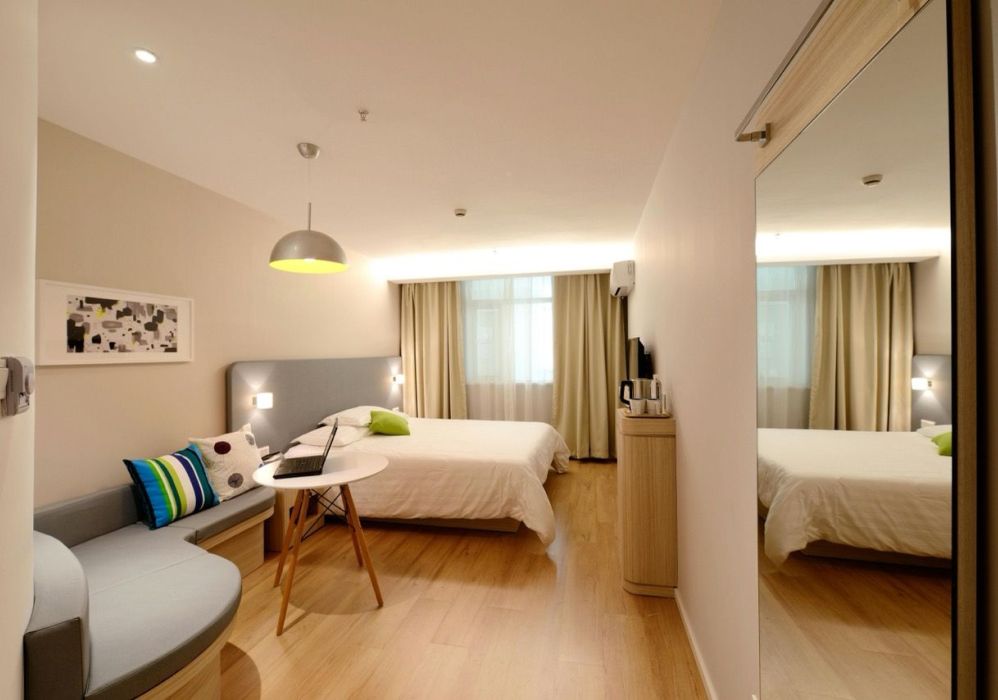
Why Four-Star Hotels Are the Sweet Spot for Kiwi Travellers
3-Star vs 4-Star vs 5-Star Hotels: What Kiwi Travellers Actually Notice
When you're choosing accommodation for an overseas trip, it's tempting to treat the stars like a scoreboard. But in real life, 4-star vs 5-star hotel usually comes down to one question:
Are you paying for comfort you'll actually use — or paying for layers of service and facilities that look impressive on paper?
For most NZ travellers — especially couples planning a mid-to-high value trip — four-star hotels hit the sweet spot: comfortable rooms, reliable standards, and great locations, without paying for extras you might barely touch.
Stars don't always mean "better" — they often mean "more facilities"
Here's the practical version of hotel star ratings explained: in many destinations, stars are closer to a facility and service checklist than a universal measure of "how enjoyable your stay will feel".
That's why you can sometimes find a four-star hotel that feels modern and well-finished — but it stays four-star because it doesn't tick certain boxes. Common "five-star" boxes can include things like:
- 24-hour services (often including room service)
- concierge depth / higher staff-to-guest ratio
- extensive on-site dining
- leisure facilities (pool/spa/gym)
- business/conference facilities
- valet/parking services
None of that is automatically good or bad. It just changes what you're paying for.
4-star vs 5-star: what you actually notice as a traveller
If you're wondering what the difference feels like day-to-day, here's what tends to show up in real-world comfort.
Comfort and finish
Four-star is usually where you start seeing:
- consistently good beds and linen
- solid climate control
- bathrooms that feel less tired
- more reliable upkeep (fewer "why is the shower doing that?" moments)
The nuance: four-star can be as nice in-room as five-star. The difference is often the service layer and facilities around the room, not whether the room is genuinely comfortable.
Service layer and "extras"
This is where five-star often earns its price:
- more staff availability and responsiveness
- concierge help that's proactive (restaurant bookings, transport, fixing problems fast)
- extra touches (turndown service, welcome amenities, higher-end in-room products)
- more "we remove effort" moments
Some travellers love that. Others don't use it enough to justify the price jump.
Space, sleep, and day-to-day ease
For Kiwi travellers, the "feel" often comes down to practical comfort:
- room size that doesn't feel cramped with two people and luggage
- quiet enough sleep (especially in big cities)
- bathrooms that are easy and safe to use
- lifts and access that don't turn your day into an obstacle course
The four-star sweet spot for Kiwi travellers
This is the heart of why we often recommend four-star. For many New Zealand travellers, it's the best balance of comfort, location, and consistency — without paying for features you won't use.
Kiwis often don't use the full service layer
A lot of Kiwis travel pretty independently. We're happy making our own tea, grabbing breakfast at a local café, and spending most days out exploring — not living inside the hotel.
So when five-star pricing is driven by constant service availability, multiple on-site dining venues, and a higher-touch concierge layer, plenty of Kiwi travellers look at it and think:
"Nice… but we're not going to use half of that."
Four-star often gives you the comfort you'll actually notice, without paying for the extras you won't use. That said, even independent travellers have moments where room service after a long day or accessible laundry facilities genuinely matter — and four-star is usually where those become reliably available.
Pay for comfort and location, not features you won't touch
A good four-star property usually lets you put your budget into what matters most:
- a better location (less time commuting, easier logistics)
- the comfort basics (sleep, space, bathroom, cleanliness)
- consistency (fewer surprises)
There's also a practical money-and-time logic: if you're not close to transport hubs and key areas, you can burn budget quickly on taxis, metros, Ubers — and you spend holiday time in transit.
Four-star consistency reduces risk
We think of four-star as a consistency threshold — the point where the chances of a hotel being wildly different from what you expected drop sharply.
That doesn't mean great 3-stars don't exist (they do). It just means the spread is wider, so you have to be more careful.
Brand consistency can be a shortcut (when you're booking overseas)
When you're comparing hotels in a city you've never been to, brands can be a useful shortcut — not because they're "better", but because they're often more predictable on the basics.
If you've stayed with a brand before, you often know the rhythm: room layout, how check-in tends to work, what the bathrooms are like, and the general standard of upkeep.
A practical way to think about it is a brand like Accor, which runs hotels at different star levels under different names: Ibis at three-star, Novotel at four-star, and Pullman at five-star. All three can be well-run and clean — but they're built to different briefs. An Ibis is often purpose-built and modern, but it typically won't have on-site dining, a gym, or much of a service layer. It's designed for that market. A Novotel gives you the extras that make a noticeable difference to comfort: more space, better facilities, and a higher standard of finish — without the full five-star pricing.
The key isn't "always pick brand X". It's this: if you already know how a brand tends to operate, it reduces uncertainty, which can be especially valuable when you're travelling long-haul and you just want the hotel to be easy.
Why stepping up from three-star is worth it
A lot of the article so far has been about why you don't always need to go up to five-star. But in our experience, the more common conversation is actually the opposite — helping travellers see why stepping up from three-star to four-star makes a real difference to how a trip feels.
The reasons are different. Going from five to four is mostly about not paying for services you won't use. Going from three to four is about getting genuine, noticeable upgrades in comfort and reliability.
Older buildings and ageing infrastructure
Many three-star hotels in popular European cities were once four-star properties in their heyday. Over 50 or 100 years, they've slipped — not because of bad management, but because the building simply hasn't kept pace.
That tends to show up in the things you feel rather than the things you see in photos: old piping, noisy air conditioning units, single glazing instead of double (which means more street noise in big cities), and rooms that feel smaller than they looked online.
Bathrooms and shower setups
Three-star bathrooms are often pokier and less well-appointed. Shower-over-bath setups are common — and that's not just a concern for older travellers. Stepping out of a shower onto wet tiles in an unfamiliar bathroom is a genuine safety risk at any age, whether you're 25 and jetlagged or 65 and tired after a long day walking. A slip-and-fall incident can end anyone's holiday.
Four-star properties are more likely to have proper walk-in showers and better-finished bathrooms overall.
Lift access and building layout
This is one of the most underrated differences. In cities like Paris, many three-star hotels sit inside older five-storey buildings with either no lift at all, or a setup where you have to walk up a flight of stairs before the lift even starts — because the ground floor is given over to retail.
When there is a lift, it can be tiny — barely fitting two people and their luggage. In a 200-room hotel with a single small lift, you end up waiting in a queue every time guests head down to breakfast at the same time, or back up to their rooms afterwards.
Four-star properties are much more likely to have ground-floor lift access, larger-capacity lifts, and layouts that don't turn getting to your room into a daily obstacle course.
Purpose-built doesn't mean fully equipped
It's worth noting that three-star doesn't always mean "old and tired." Some brands — like Ibis, for example — are purpose-built and brand new. But they're intentionally designed for that market: no on-site restaurant, fewer facilities, less staffing depth. They can be perfectly clean and functional, but they're built to a brief that deliberately leaves out the extras you'd find at the four-star level.
A quick checklist for couples 50+
When comfort and ease matter more than wow-factor, these are the practical things we check. These aren't "review tricks" — they're simply the details that make a long trip smoother.
Room size and luggage practicality
Ask: will this room feel good with two suitcases open?
Sleep: noise and older buildings
In big cities, sleep quality can make or break a trip — and older buildings often vary more in soundproofing.
Bathroom layout and shower setup
Shower-over-bath setups and awkward layouts are worth checking regardless of age — we've covered why further up. But if ease and safety are a priority, it's especially worth confirming that the hotel has walk-in showers and a sensible bathroom layout before you book.
Lift access and stairs
If you want things easy, confirm lifts exist and whether they reach every floor. In cities like Paris, it's common for older buildings to have no ground-floor lift access — or lifts so small that two people and luggage is a tight squeeze. A quick check before you book can save daily frustration.
If you're choosing between a few hotels and want a fast, structured way to sanity-check the options, read:
How to read hotel reviews like a travel agent
When to upgrade to five-star (simple rules we use)
Four-star is often the smarter spend — but five-star is worth it when the service layer genuinely changes the experience.
When the service layer actually matters
We're more likely to recommend five-star when:
- it's a special occasion (anniversary, milestone trip)
- you want a "turn your brain off" stay where everything is handled
- you're arriving late, travelling tired, or moving fast between cities
- accessibility needs are important and you want a smoother, more responsive experience
When four-star is the smarter spend
We often steer travellers back to four-star when:
- you'd rather do more nights in a great area than fewer nights at the top tier
- you'll spend most days out exploring (so you want a great base, not a full-service ecosystem)
- you want a bigger room in a better location for the same budget
- your priority is comfort, sleep, and convenience — not prestige
Value traps that distort "good deals"
Even when a hotel looks like good value, there are a couple of common pricing quirks that can make comparisons messy.
Resort fees and compulsory add-ons
Some hotels add compulsory nightly fees paid directly to the hotel. These can make a "cheaper" hotel more expensive once everything is included.
Where to check:
- rate breakdown before you confirm
- "additional charges" sections
- hotel policies pages
Local taxes paid at the hotel
Local taxes are common in many places and are often paid on arrival. Usually not huge — but worth expecting so you're not surprised at check-in.
How we help you choose the right fit
If you've narrowed it down to 2–3 options and you're still torn, we can help with a quick sanity-check — especially around room categories, location trade-offs, and hidden fee differences.
If you're based in Hawke's Bay, you can reach us at YOU Travel Napier — we help travellers from Napier, Hastings, and across the region plan trips with fewer surprises and better-fit choices.